
Privilege is not knowing your source of water
Notes from May and June 2022,
Kotagiri, India
‘Ne`ra pona, angada irku‘, (If you keep going straight, you’ll find it there) directed a woman I spoke to. In her eyes there was surprise – what does a woman in a cap and hiking shoes making notes on a map and speaking in broken Tamil want with her community’s source of water. She wondered aloud if I was there to install a pipeline. Implementation field visits are always easier to explain than documentation visits. From the time I started conducting on ground research in college, it has been hard to justify my reasons for visiting when there is no tangible outcome to the research or design project. What was the point of mapping these water sources, she asked. ‘Idhu yaar paakranga?’ (Who is going to see this?)
The questions followed a similar arc everywhere I went. After inquiring about my visit and understanding that I could not install pipelines, they got bored with my questions on wells and springs and their water connections. They after all lived right by them and knew all about it. I, on the other hand was delighted by their extensive knowledge. In a city, it’s not very often you find people who know exactly where their water comes from, especially if they live in apartment complexes, like I do. It’s murky waters, the connections and distribution – both, literally and figuratively. So I was taking my time following the water, whose pipes I could see on ground, which I could follow to homes and back to their sources, ஊற்று தண்ணி.
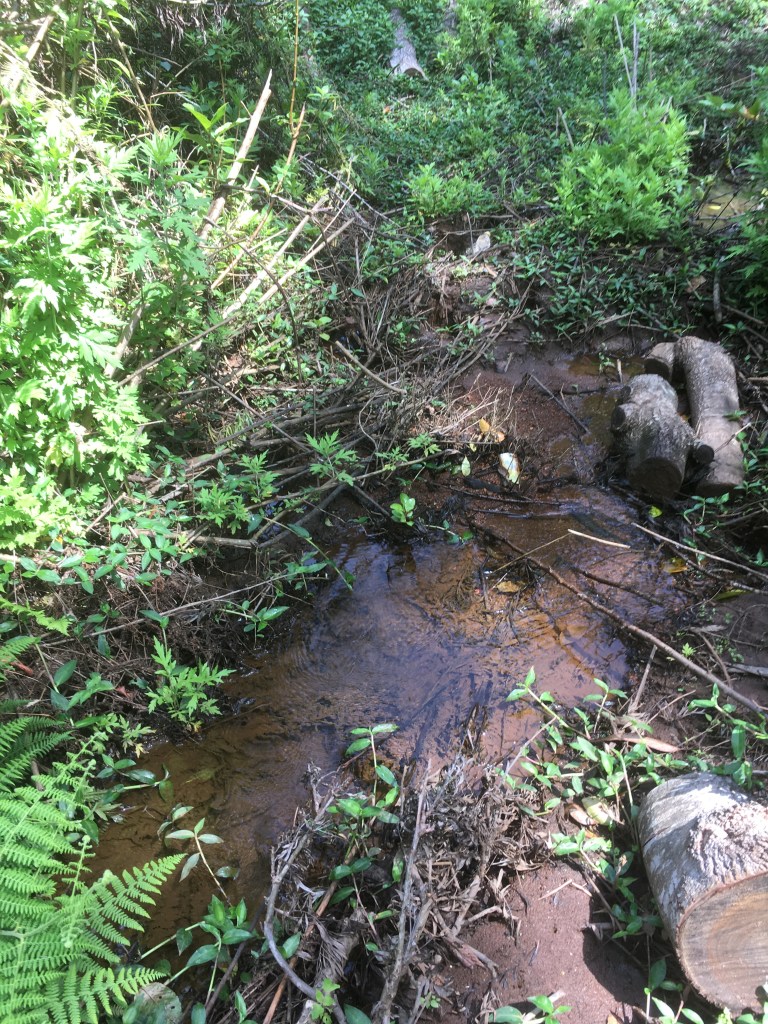
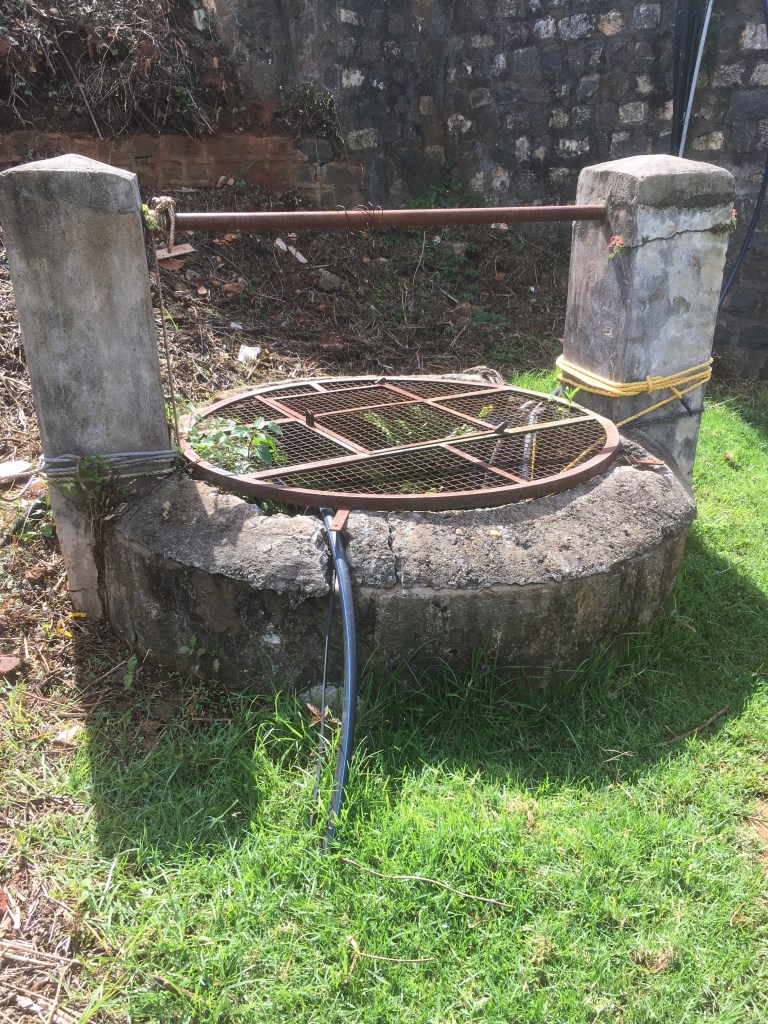
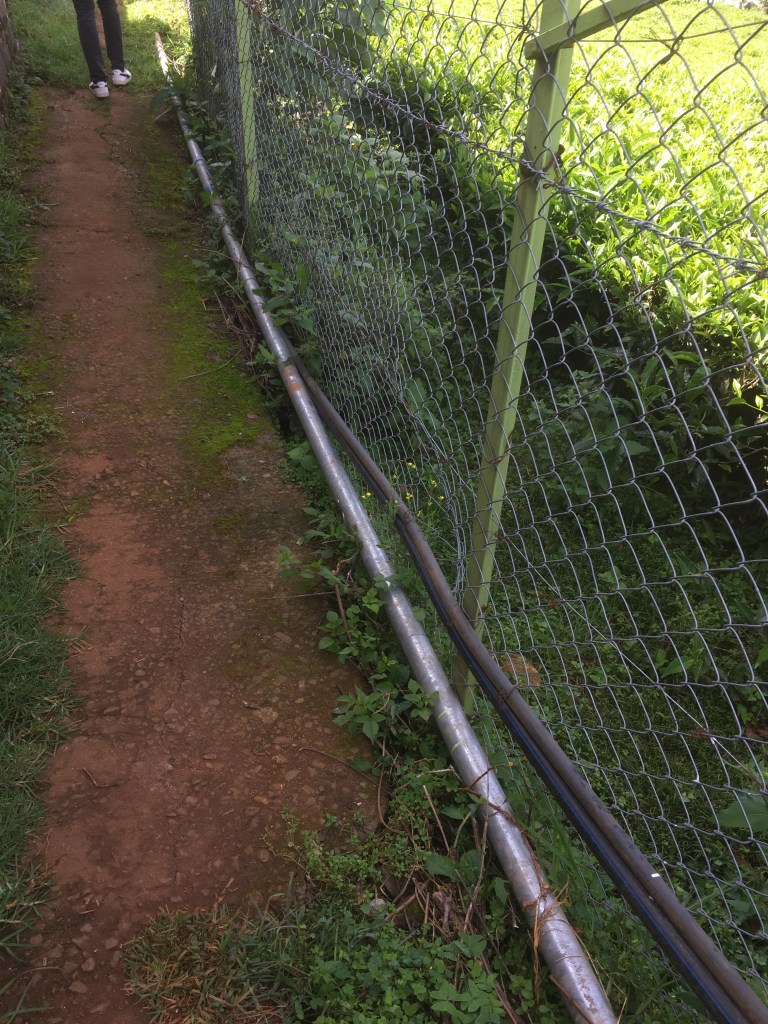
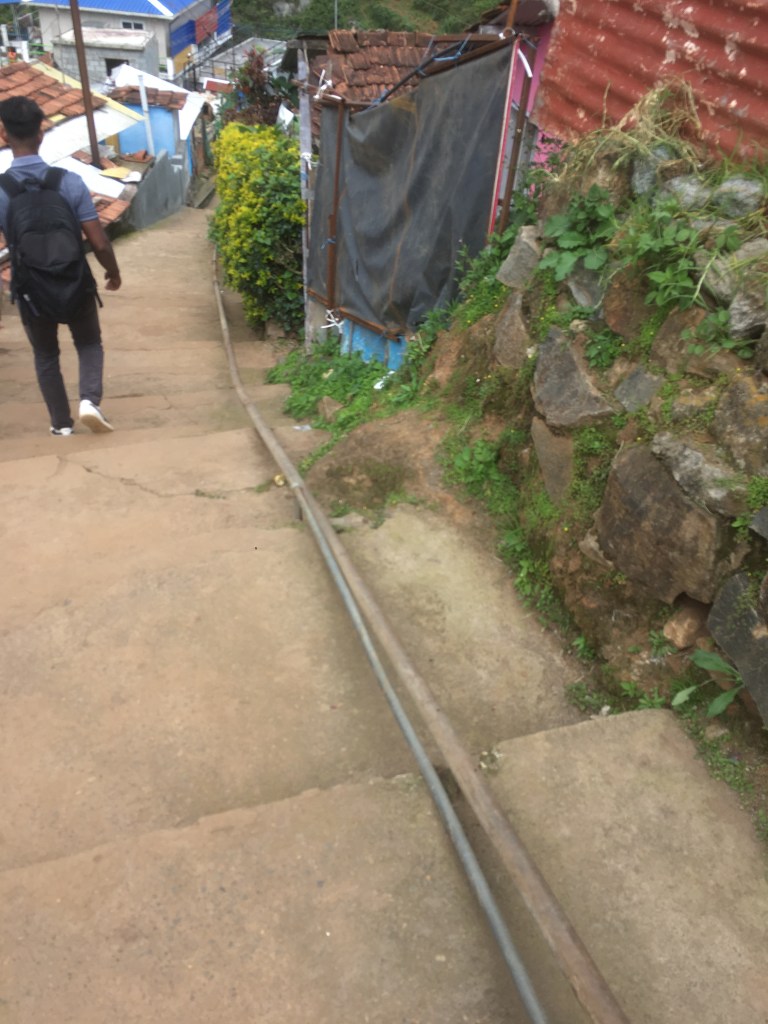
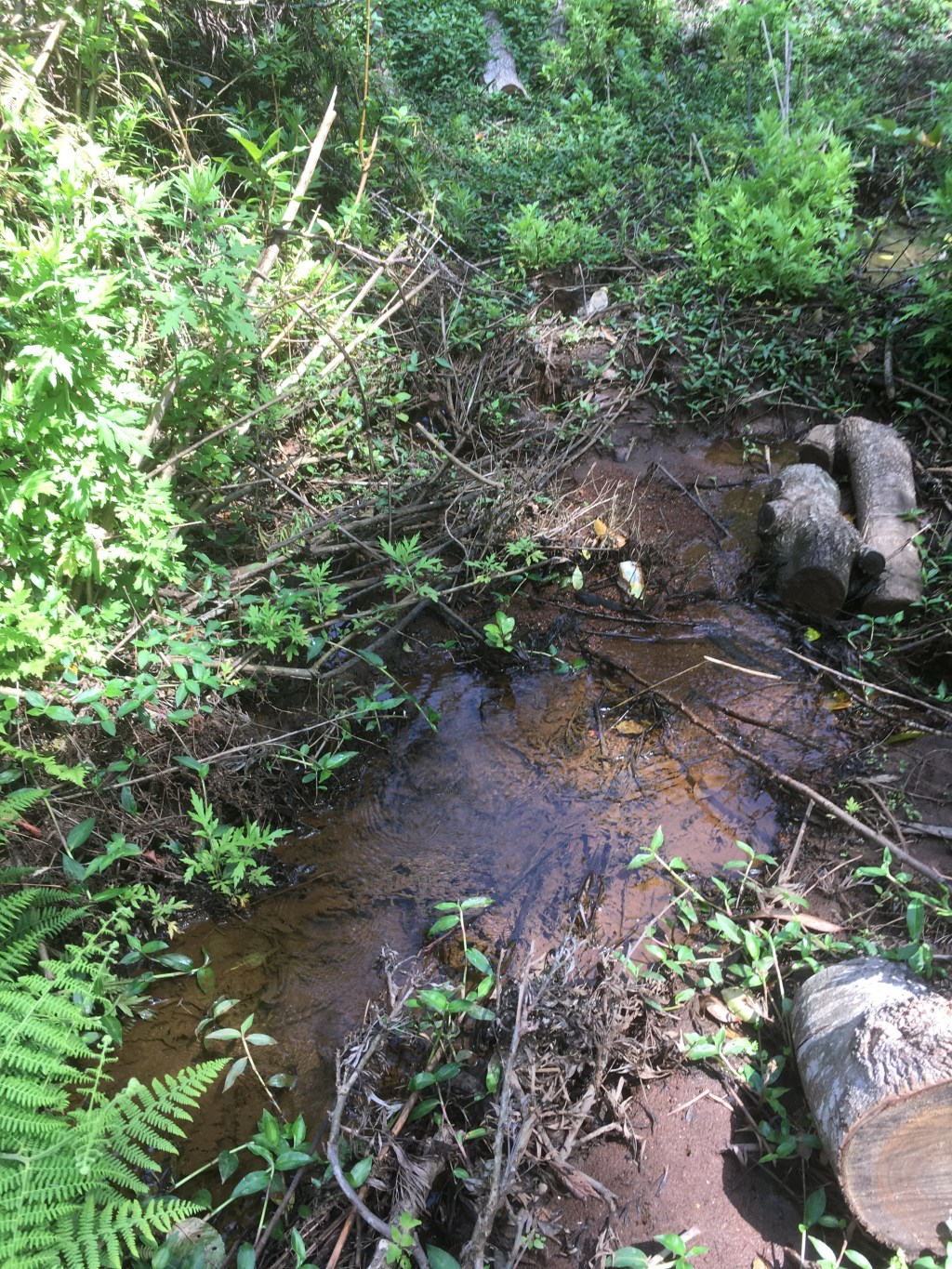
For about two weeks, we trekked through tea estates, ears perked up for the sound of water and eyes for the sight of a well. We walked down and up, keeping sight of the valleys, the crevices which could hold the water we were seeking. I must have uttered the Tamil word for spring (ஊற்று தண்ணி / oothu thanni) at least fifty times only to realize that the people I spoke to aren’t the recipients of this water. They know of it’s existence and it’s precise location but they do not always have access to it.
Access//
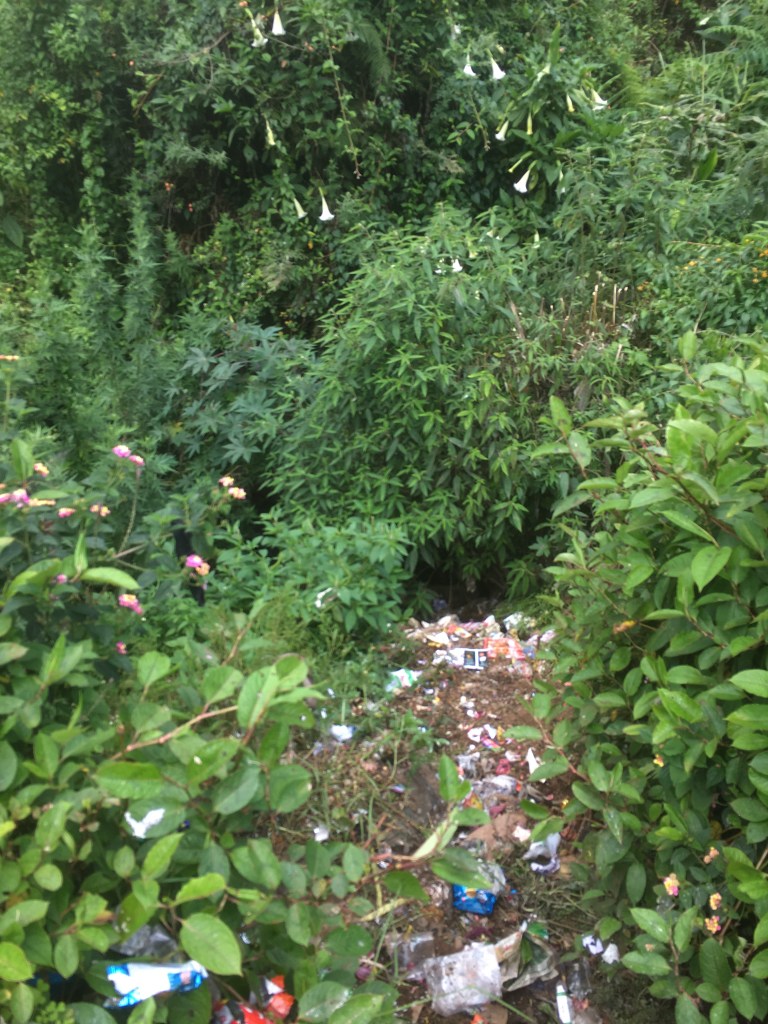
One man told me that despite the well being in his village, the neighbouring estate owners had closed it off and locked it up so they could use the water for their needs. ‘The estate owner argues that our village already has a well and access to the spring. But has he seen how many of us live here? Moreover, if he had walked on the precarious path leading to the spring he’d understand how accessible it is for us.’
In conversations with the people, we heard of a benevolent Petrol bunk owner who had agreed to provide water assistance to the settlement downslope to his land during times of shortage. We of course decided to see for ourselves. When we visited the Petrol bunk however, what we saw was a spring boxed in and prevented from flowing naturally. Had it been left unobstructed, it would have flowed to the settlement downstream.
The owner told me in perfect English that his family had been in Kotagiri for decades. ‘We have worked with the communities here for a long time.’ When I probed him further about the spring, he said that there isn’t one. ‘It’s just some water’. On asking him where this water went, he pointed to an overhead tank. On walking towards the well concealed spring box, he told me quite firmly. ‘It is my land, I choose to do what I see fit.‘
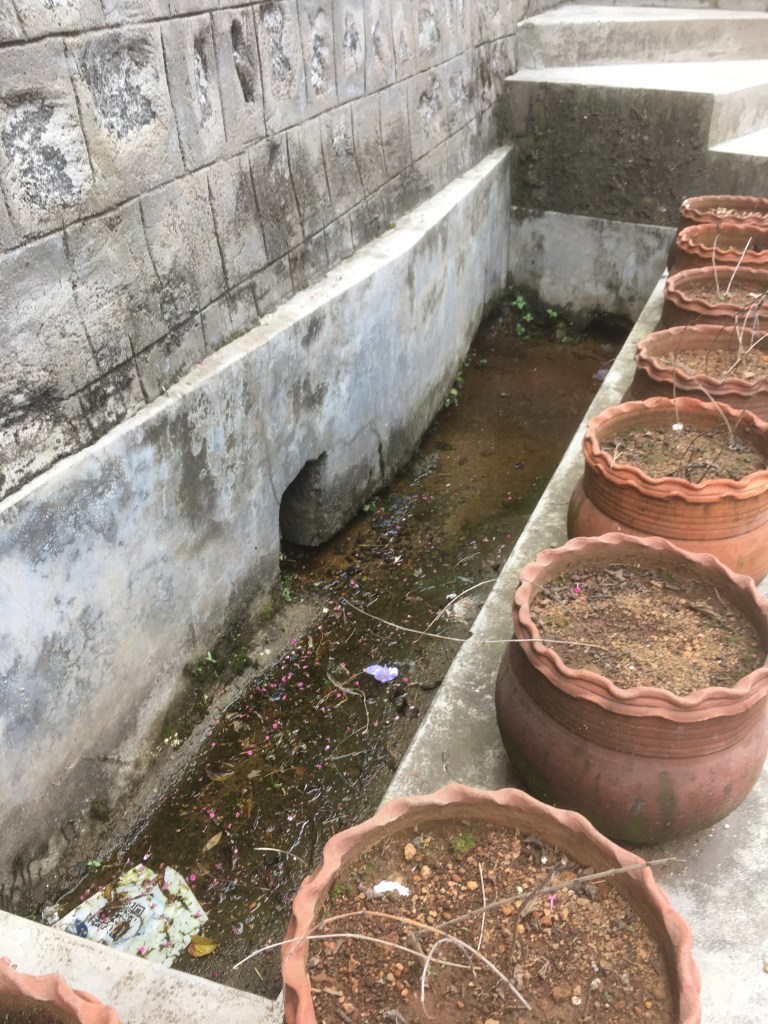
Ostensibly, there is water distributed to all. Actually, there are only few that receive it.
Distribution and Storage infrastructure //
We could not visit all the springs that we had heard about. Some were way up in the hills and we were told that there are leopards that walk those slopes. In one village, I asked them if anyone had visited it and had channeled the water for their drinking purposes. ‘No, only the men venture out there and they say they can hear the water but they cannot see it. It flows all the way down there– she pointed to the village downslope – And they use it. We cannot claim ownership of the water, because the water doesn’t run through our settlement.’

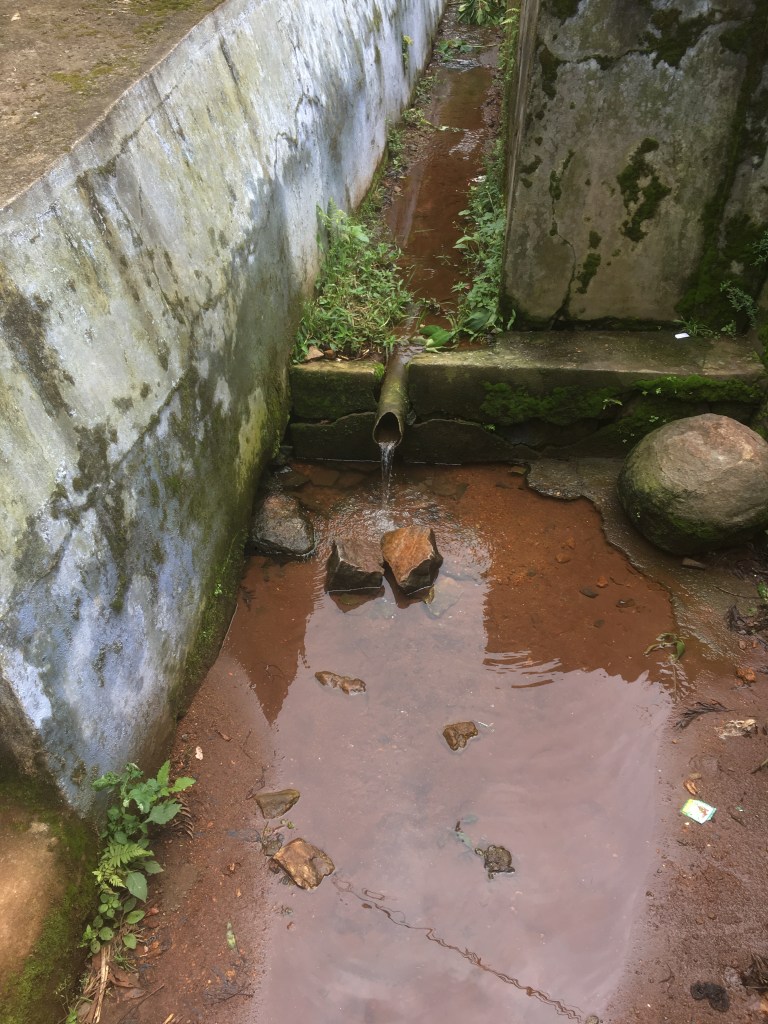
The woman asked me to show my findings to the Town Panchayat and ask for a water connection to the village. ‘One of my forefathers built a house and we have continued to live here. Initially the village downslope hadn’t developed so we would use the spring water. Now it’s a bigger village than ours. They use that water for all purposes. We walk to a well on the next spring to get our water. If there is a dire need or when the water is excess we get the spring water.‘
Ownership and claim to the water is tenuous, it is a common pool resource and one doesn’t have to stake claim to it. But, the stories from ground say otherwise.
There isn’t a perfect distribution plan in the Town Panchayat area. There are springs, wells, streams, wetlands and some borewells and most villages lie in proximity to these sources. However, the pipelines leak or are diverted to tea plantations, there aren’t enough tanks built and sometimes no connections provided because the settlements are informal in which case the residents have to fend for themselves. A problem not unlike the ones faced by city residents.
But the terrain is what differs. The water system is different from that of the plains and borewells are threatening the natural spring system that has managed to supply water to all till date. The ground water laws are non-existent, the wetlands have been completely ignored as sources of water and have been built over in the recent years. Another problem is that open defecation pollutes the water and makes them unfit for drinking.
And so, we see this, shrines and temples built with spring boxes. We were asked to leave our footwear before we hiked to these springs. Lord Shiva is currently the only guardian of these springs. All the offerings were to the blue throated god who holds water in his hair.
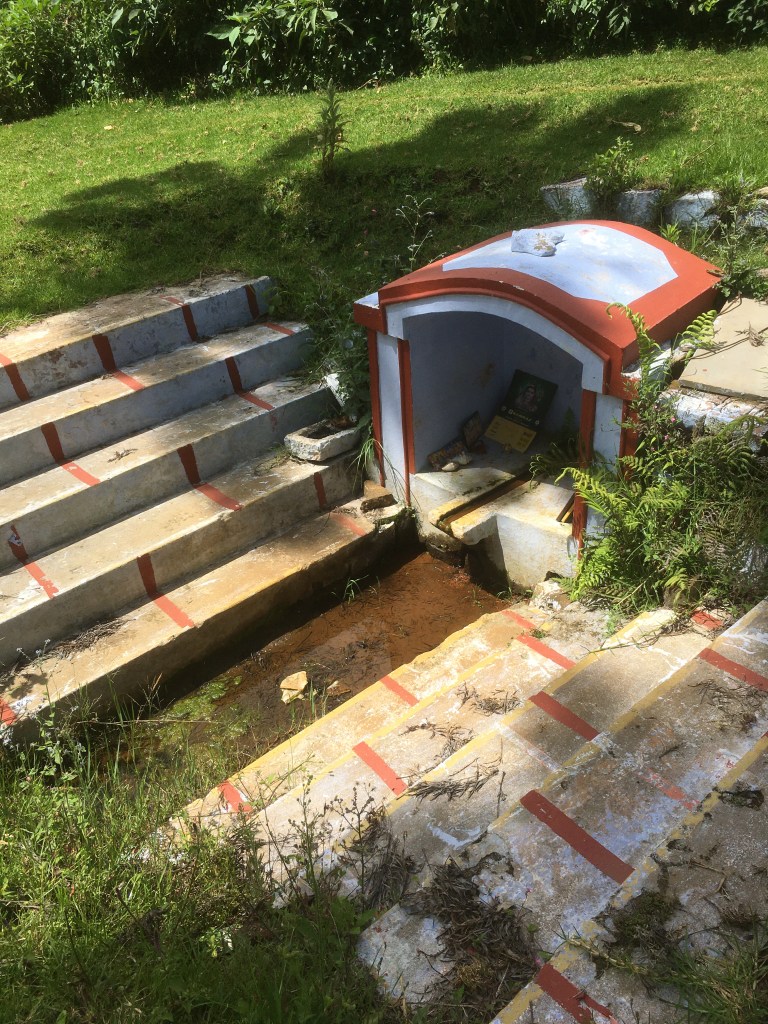
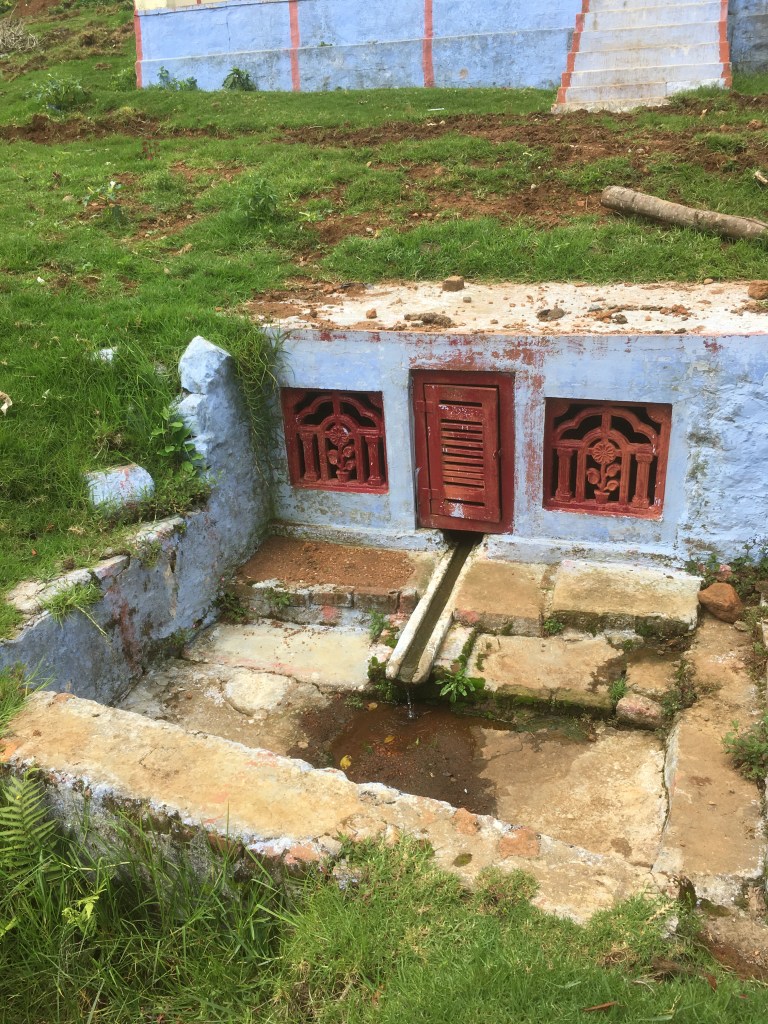
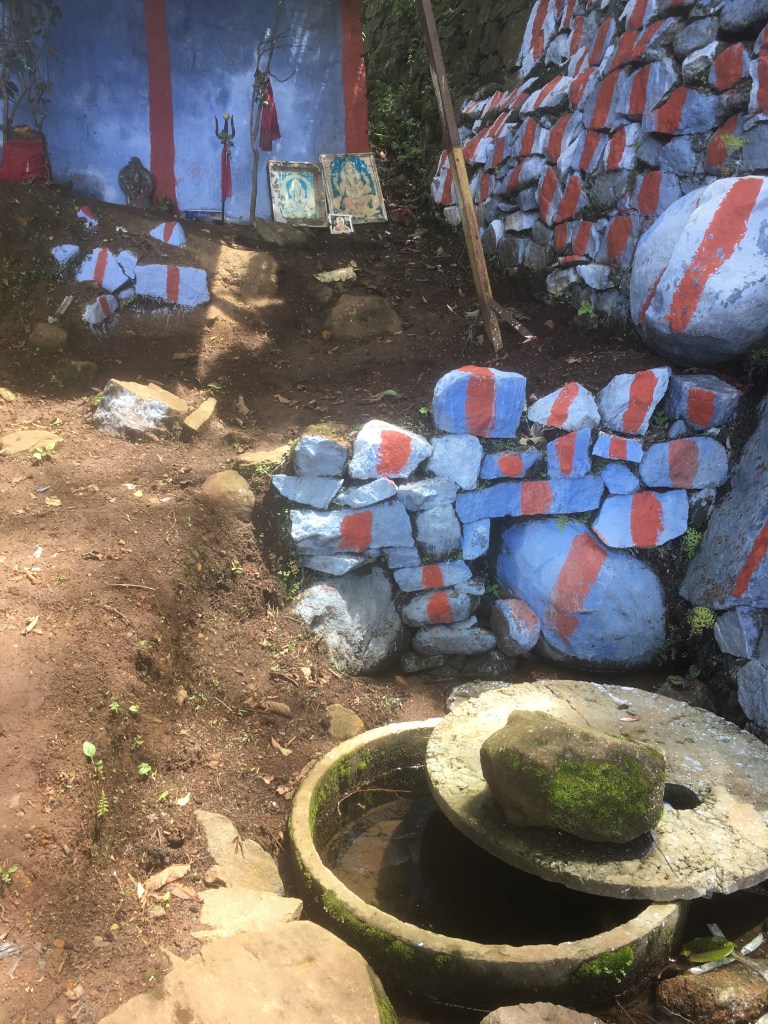
While I spent my days walking along these streams, I used my evenings to understand these complexities better. I was surprised when I first heard there was water scarcity, but as I spoke to more people I understood why that was so.
I came across the Bioregional quiz which has a list of questions while reading Weather by Jenny Offill. This stuck with me:
Where are you at?
Trace the water you drink from precipitation to tap.
Where does your garbage go?
What is the land use history where you live?
From where you are reading this, point north.
 namratanarendra.com
Leave a comment