
Role
Co-organiser and curator
Collaborators
Bengaluru Sustainability Forum, Bangalore Film Society, Kriti Film Club, Gamana Women’s Collective, BGVS, Mount Carmel College
Year
2023
India has been experiencing the severe impacts of worldwide climate change for a few decades now. Unusual and unprecedented spells of hot weather are expected to occur far more frequently and cover much larger areas. With rapid urbanisation our cities are becoming concrete jungles and in turn, ‘heat islands’. Dry years are expected to be drier and wet years wetter. Our rivers’ flows are already altered due to the glacier melt. Coastal cities such as Mumbai and Kolkata are particularly vulnerable to the impact of sea-level rise.
Being a developing country, we are still tackling issues such as disproportionate distribution of wealth and resources, strain on existing resources due to increasing population etc. Policies in India are still failing to be inclusive of the marginalised groups and communities. Climate change is deeply intertwined with global patterns of inequality, making the socially weaker section of the society more vulnerable to the impacts of climate change and widening the inequality based on caste, class, religion, ethnicity, etc. in our society. Underestimating the effects of climate change in India could reduce or even reverse the progress on a range of goals for sustainable development related to poverty, hunger, health and wellbeing, equality, economic growth and industrial innovation and biodiversity.
Every year, millions of people from rural areas migrate to the cities in search of a better quality of life. This rapid urbanisation in the country will require new construction of commercial and residential spaces and infrastructure. That means, a large chunk of the India of the future is yet to be built. As a nation, we are at a juncture where we have the possibility to incorporate methods adapting to climate change and make our infrastructure resilient. We have a rare chance of designing them right.
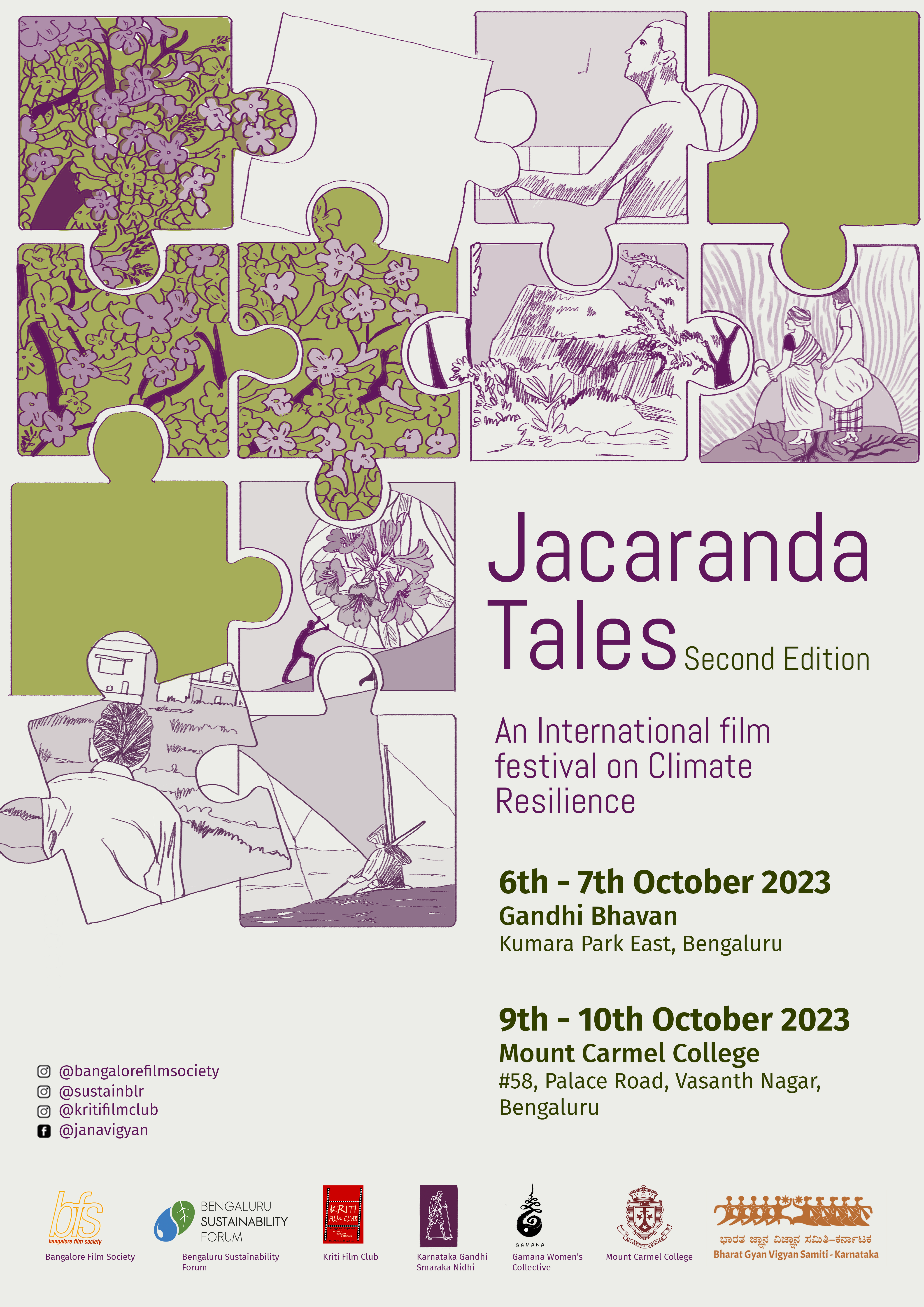
Combining climate change resilient planning with inclusive policies and mindful businesses and industries can become our initial step towards tackling this threat to humankind. We need sustainable solutions, ways of living by using not only the technology and modern methods but also indigenous systems which can empower marginalised communities, genders and castes. Keeping these complexities of tackling the climate change in India in mind, we are organised the second edition of an International film festival titled, ‘Jacaranda Tales’, on the theme of Climate Resilience. We will be screened films that narrated stories of resilience and courage, as well as sustainability and environmental actions and solutions, contextualised on the principles of equality, self-respect and dignity of people.

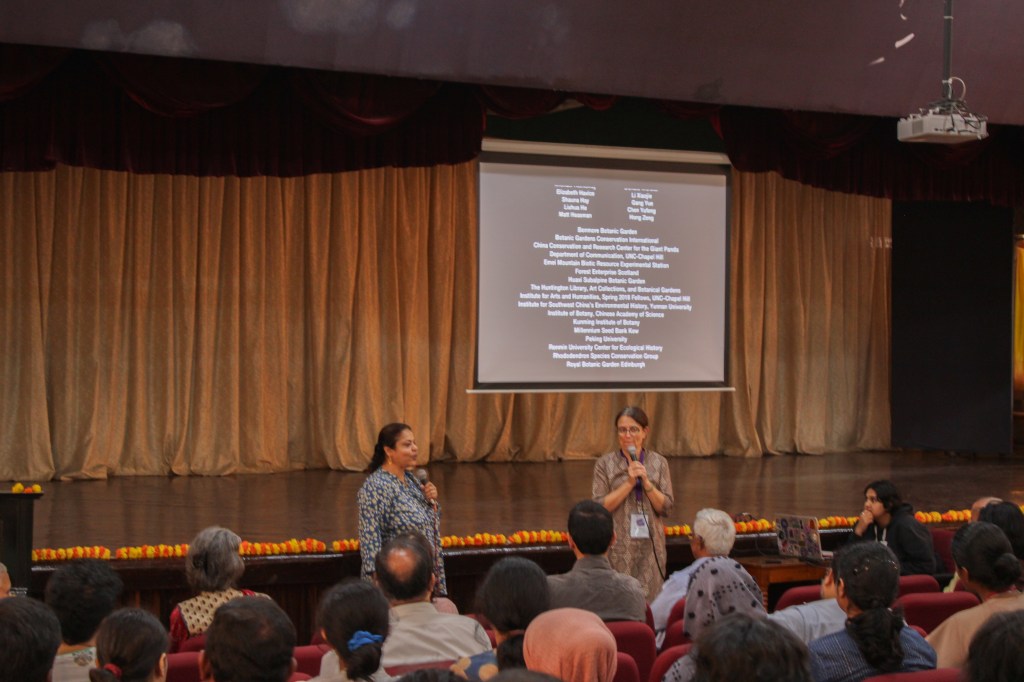
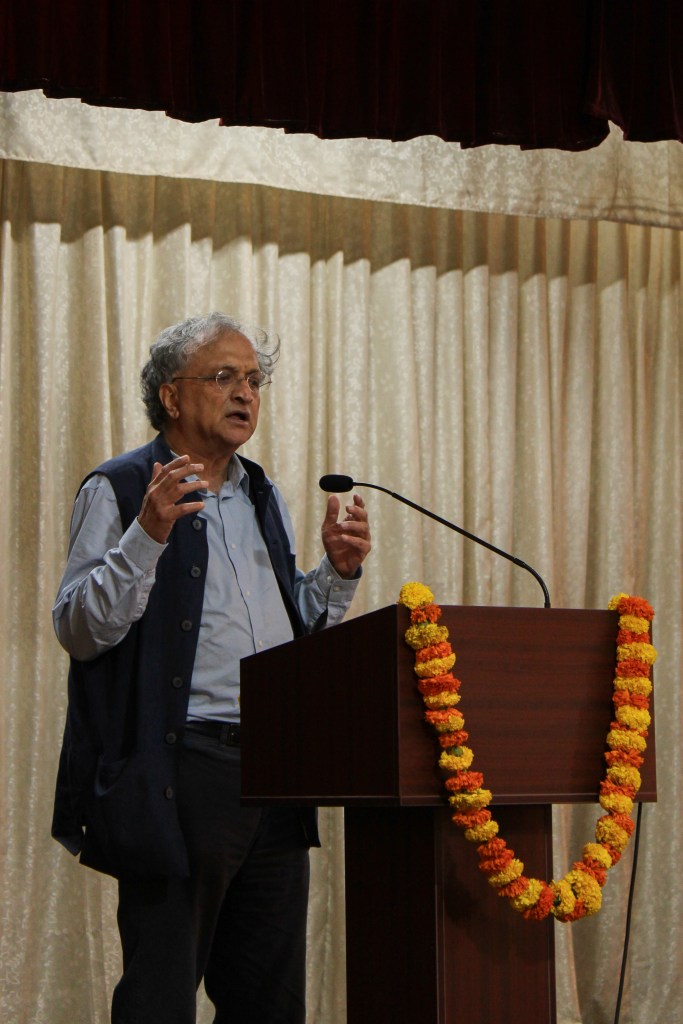
Photos by Bengaluru Sustainability Forum
 namratanarendra.com