
Co-creating social spaces through art-led community engagement
Brief history of resettlement and rehabilitation housing programmes in Mumbai
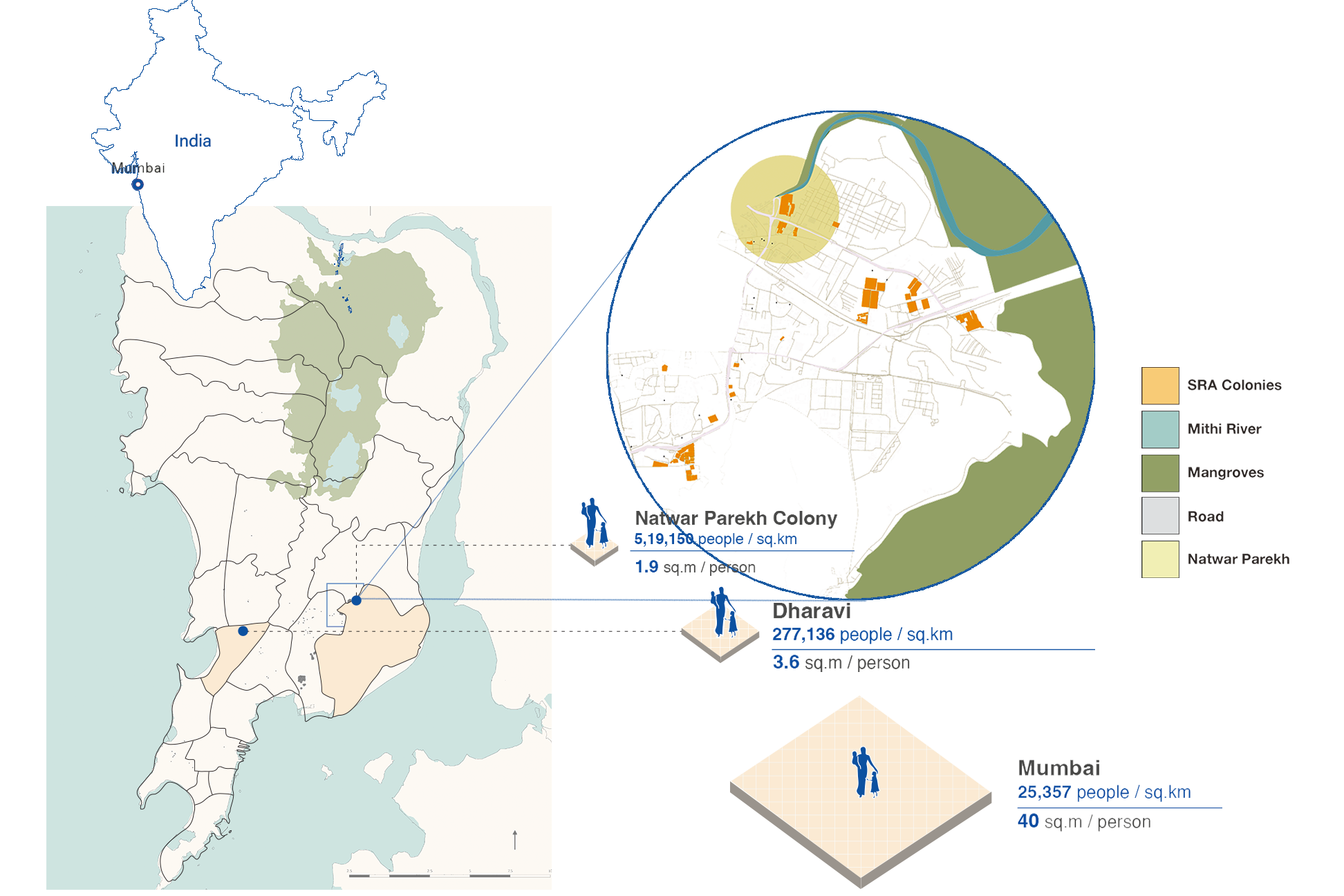
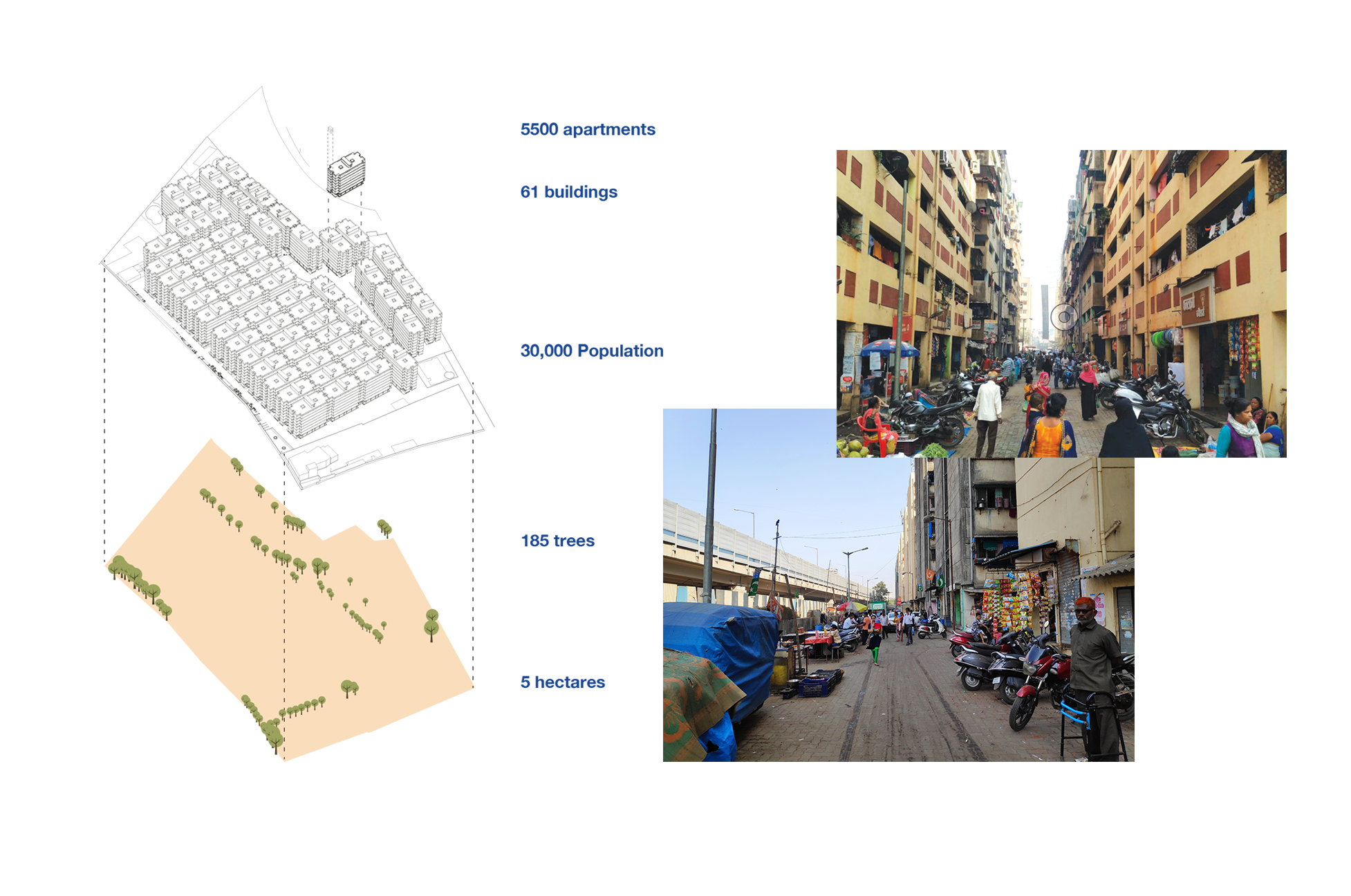
Natwar Parekh Compound (NPC) is a public housing neighborhood in the east of Mumbai housing people from slums across the city. With tightly packed grid of 61 buildings on a 5 hectare plot, the density of Natwar Parekh Compound is around 4500 people/ha (Density of the most populated city in the world, Dhaka, is 550 people/ha). Open spaces make up less than 18% of the site area, none of which are usable for any recreational or community activities, keeping residents limited to their 225 square feet apartments.
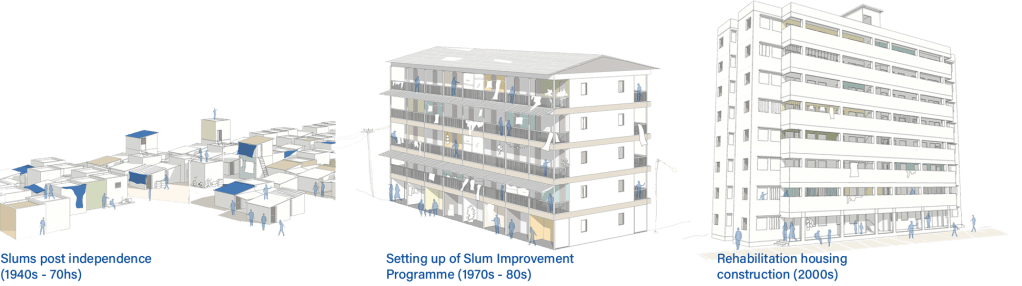
Social background
The inhabitants of Natwar Parekh Compound come from diverse faiths and communities but share a familiality forged by their everyday resilience in confronting housing and infrastructural challenges rooted in their social identities. The people were simply transported from residences overnight and given homes through a lottery system since their land was taken over for various development works. They had absolutely no say in what their homes were going to be like or who their neighbours were. The arbitrary allotment of homes disrupted existing social connections among residents, particularly impacting women who could no longer rely on former neighbours for caregiving and household support.
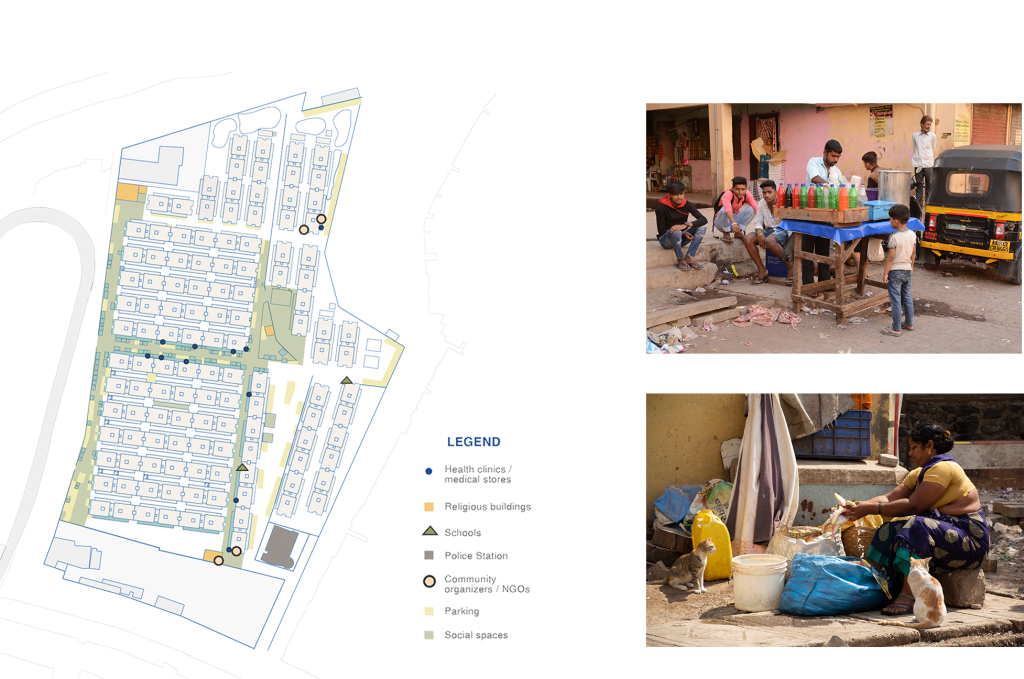
Spatial aspects of the neighbourhood
The resettlement housing provides various utilities that were absent in their previous residences but they come at a massive cost of lack or absence of social spaces, poor infrastructure, inadequate light and ventilation. These houses fare very poorly when measured against the quality of life indicators. With only 225 sq. ft allotted to each family which most often comprises of more than 4-5 people, it overlooks individual requirements of space and function.
NPC has a population of more than 25000 people packed into densely into of 61 (Ground +6) buildings across 5 hectares. These colonies are usually referred to as vertical slums.
Art-led community Engagement
How can art and consistent engagement contribute to collectivising agency to people of rehabilitated settlements in decision making processes of their built environments?
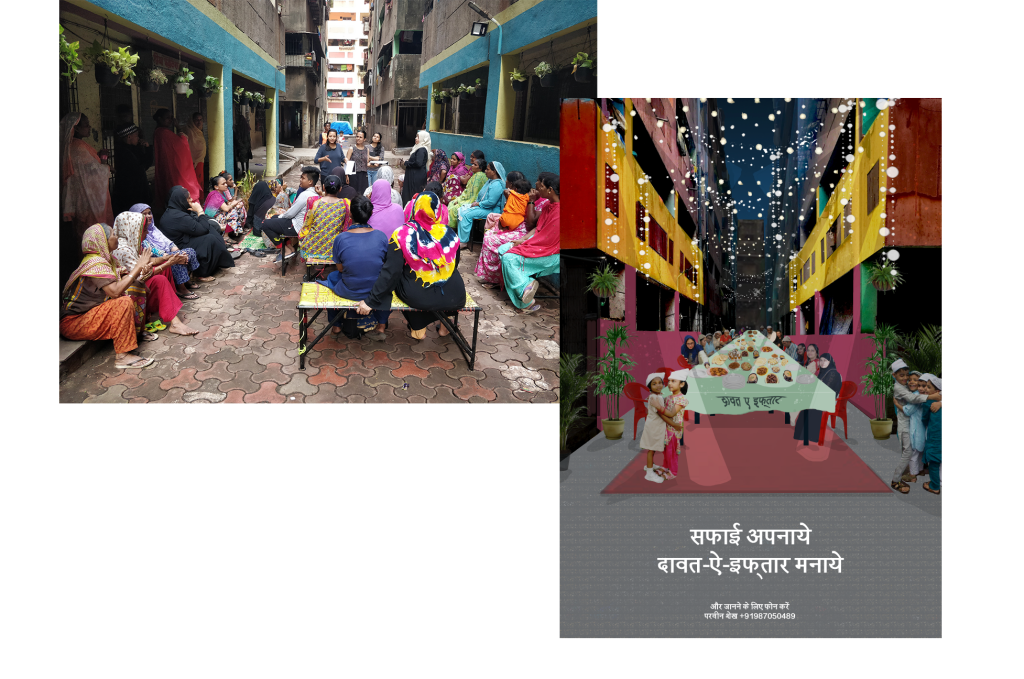
The lack of ownership and participation extended to their relationship with open spaces. The initial outcomes of the community meetings were attempts at collectivising and trying to claim ownership of their space through waste management. In 2020 before the pandemic struck, we worked together on a cleanliness drive to clean up the alleyways and create a space for gathering during Eid. This however was put off because of the subsequent lockdown.
In 2021, we restarted our work with the community, especially the youth to identify ways to reclaim spaces in their neighbourhood for play and leisure, especially for women and children. Approximately one-third of Natwar Parekh Colony’s population is under 25, having grown up without access to playgrounds or open spaces—a luxury often taken for granted in affluent neighbourhoods. While young men and boys can still access such spaces nearby, girls rarely venture outside their homes without a specific purpose. The elderly, constituting about 18% of the population, face similar challenges. Dilapidated infrastructure and limited accessibility confine the elderly to their homes. We started mapping social spaces in the neighbourhood and figuring out spots that could be activated. This was a series of meetings and walks around the compound with the youth group to identify and map the spots.
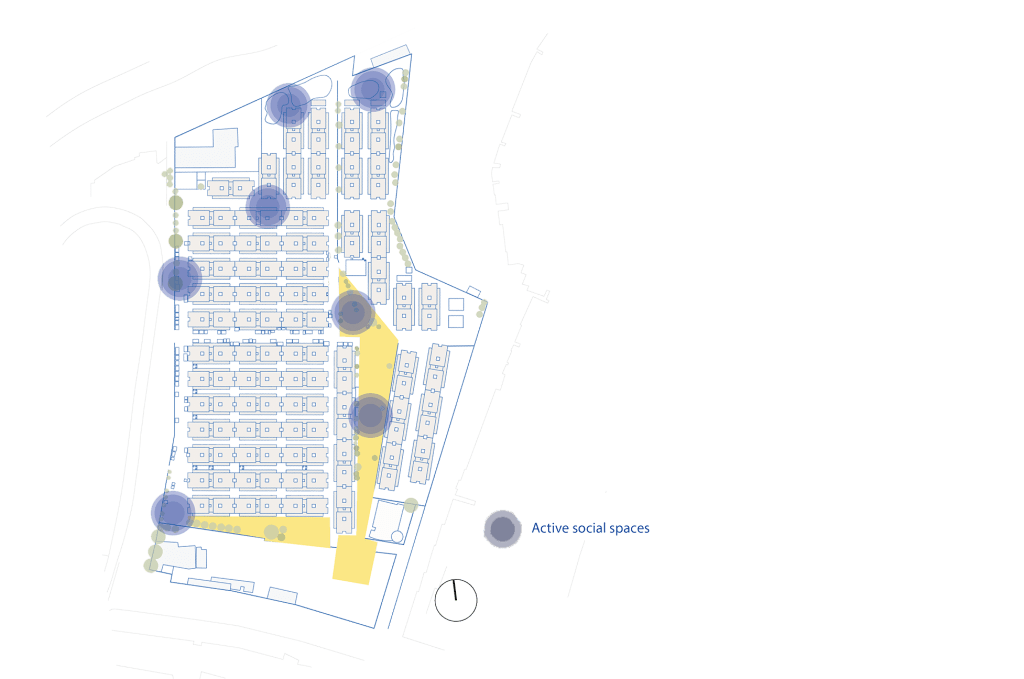
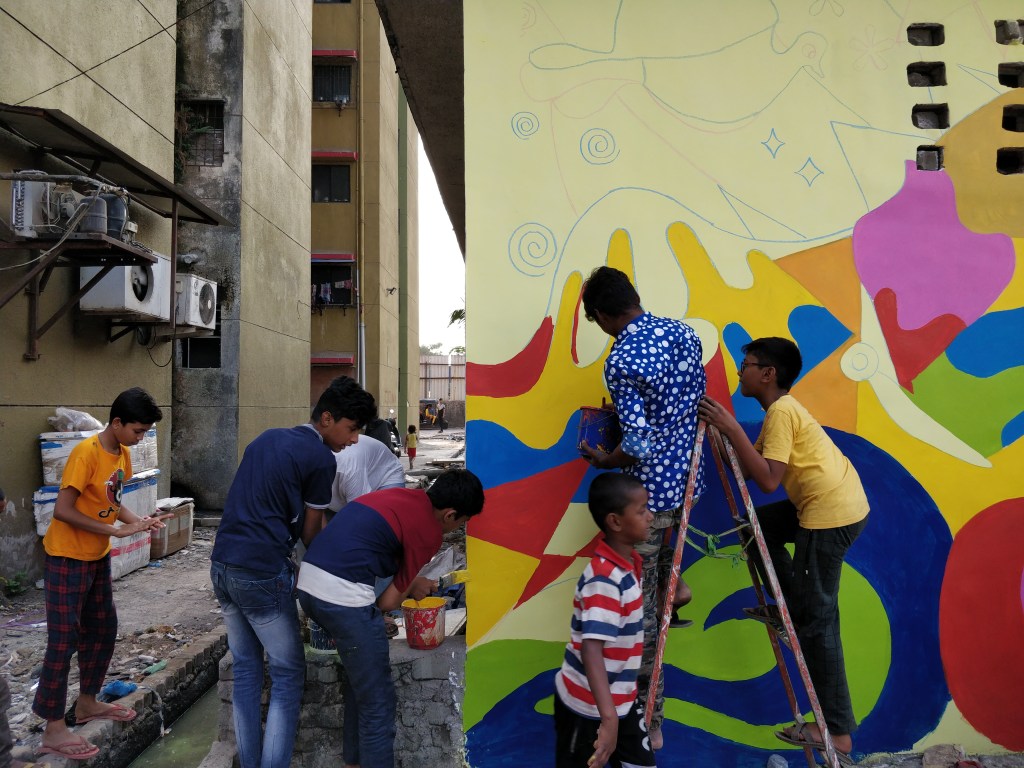
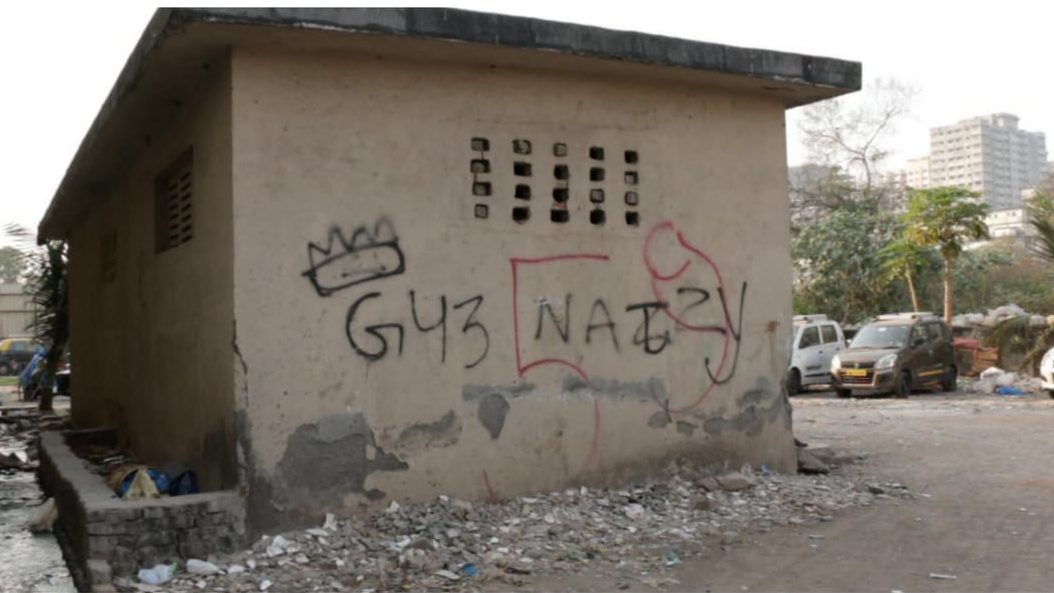
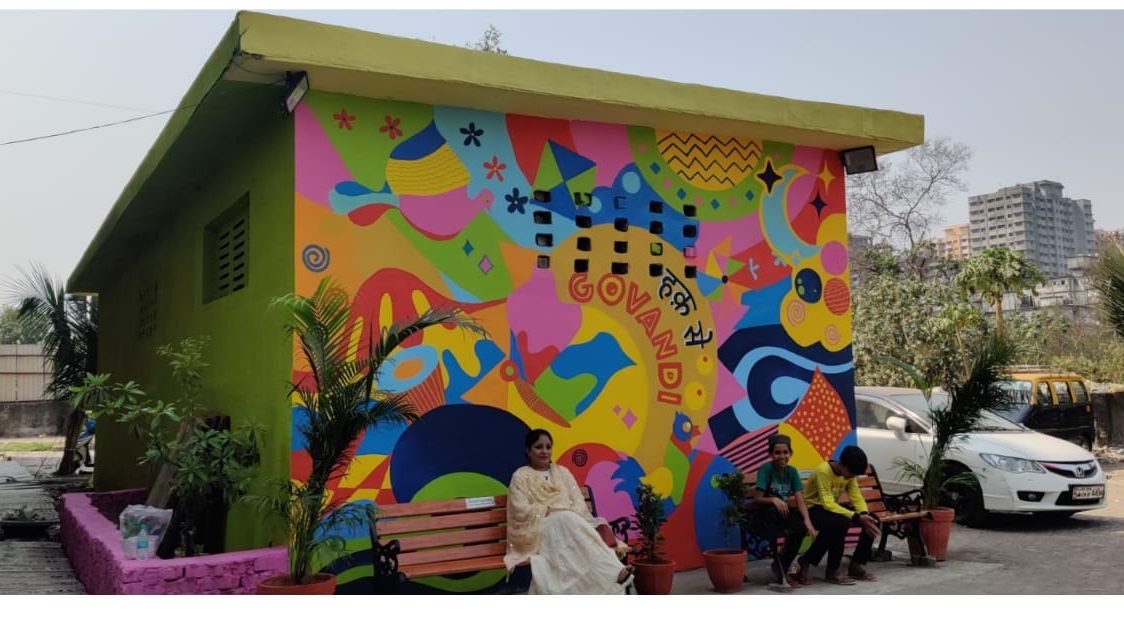
We then worked with the children and the youth to create a mural for a dilapidated parking spot. During one of the discussions, a young woman remarked that she has the haq (rights / pride) to her own space in her neighbourhood. This became the theme for our first mural: Haq se Govandi, my right and pride, Govandi. The space was transformed over a period of a week with the community coming together to draw and paint and clean up the area. This led to repair of the existing infrastructure and the area continued to be maintained as it offered a safe space, even late into the night.
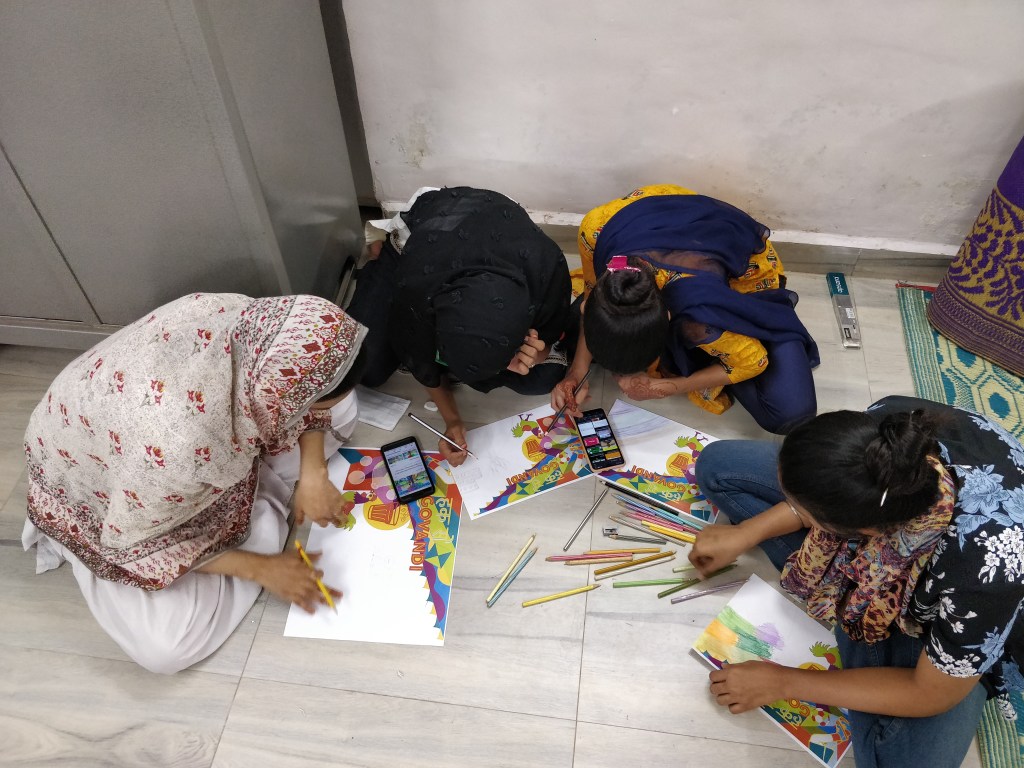
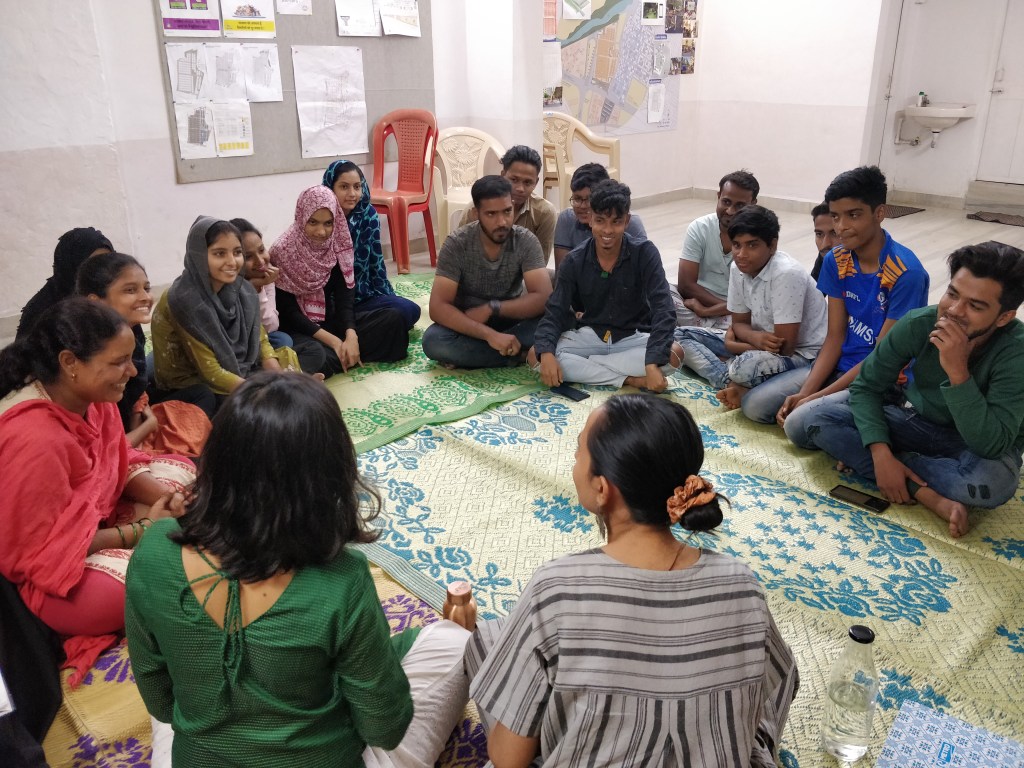

Post this intervention, a second spot was identified and in late 2021, that too was transformed. This was themed, Yeh Humara Ghar Hai, This is my home.

You can watch the process behind the activation of the social space in video here.
 namratanarendra.com